
Lưu ý: Hình bìa chỉ mang tính minh họa — không phải ảnh sách thực tế. Nội dung và bản quyền sách được đảm bảo chính hãng từ nhà xuất bản. Chợ Sách chỉ cam kết sách do người bán cung cấp là sách chính hãng; khiếu nại về bìa khác hình minh họa sẽ được xem xét từng trường hợp.
Chemistry of Wine Flavor (ACS Symposium Series, No. 714)
Chi tiết sản phẩm
- #7,116,775 in Books
- #390 in Wine Collecting
- #2,488 in Organic Chemistry
- #4,848 in Food Science
Về tác giả — Andrew L. Waterhouse
Follow authors to get new release updates, plus improved recommendations.
Đánh giá từ chuyên gia
Review"Meeting in San Francisco, an easy stagger to some of the world's best wine regions, in April 1997, chemists from around the world trade their findings concerning the chemical basis of why a particular wine tastes a particular way at a particular time. Their reports include methoxypyrazines of grapes and wines, seasonal variation in the production of hydrogen sulfide during fermentation, phenolic composition as related to red wine flavor, why wines taste bitter and feel astringent, the impact of cooperage techniques and aging conditions on the volatile odoriferous compounds in barrel-aged wines, detecting cork taint in wine using automated solid-phase microextraction in combination with GC/MS-SIM, and flavor-matrix interactions."--SciTech Book News"Oxford University Press is distributing Chemistry of Wine by editors: Dr. Andrew L. Waterhouse, associate professor of enology, and Dr. Susan E. Ebeler, assistant professor of enology, at U.C. Davis. The book compiles the latest wine flavor chemistry research results, which were presented at the 1997 American Chemical Society Symposium in San Francisco, California. The compilation includes text and graphics from 16 presentations that ranged in content from 'Why Do Wines Taste Bitter and Feel Astringent' to 'Analysis, Structure and Reactivity of Labile Terpenoid Aroma Precursors in Riesling Wine.'"--Vineyard & Winery Management"This 16-chapter volume, based on a 1997 symposium, covers the chemistry of wine flavors from several perspectives. The first five chapters examine flavors that are derived from grapes, whereas the next four chapters focus on flavors formed during the primary and secondary fermentation process. The effects of polyphenols on the properties of wine are explored in Chapters 10-12, and the remainder of the book covers such topics as aldehyde levels in wines as they age and the interactions between aroma compounds and nonvolatile components in wine and their effect on the overall aroma."--Journal of the American Chemical Society
About the AuthorAndrew L. Waterhouse is at University of California, Davis. Susan E. Ebeler is at University of California, Davis.
Mô tả nội dung sách Chemistry of Wine Flavor (ACS Symposium Series, No. 714) - Andrew L. Waterhouse
Thông tin sách: Chemistry of Wine Flavor (ACS Symposium Series, No. 714) (Hardcover, 245 trang) – American Chemical Society, 1999. Ngôn ngữ: Tiếng Anh.
Wine flavor chemistry is a complex and diverse field that ranges from the potently aromatic pyrazines to the complex polymeric tannins. Modern chemistry is now opening some doors to the mysteries of wine flavor, and this unique monograph is dedicated to current research developments. The book starts with the Riesling terpenes, which responsible for floral aroma when new and the kerosene-like aroma that appears in old age, and with the chemically related norisprenoids found in Cabernet Sauvignon and Merlot. It includes three reports on flavors of microbial origin, particularly the effects of different yeast strains, and it looks at important factors in aging, including acetalhyde, the contribution of oak, and problems with cork taint. It also explores in detail the relationship between winemaking techniques and the chemistry and taste attributes of phenolic compounds.Giá bán
Liên hệ
Đánh giá sản phẩm(2)
Khách hàng cũng mua
 0
0Sách cùng thể loại
Xem tất cả →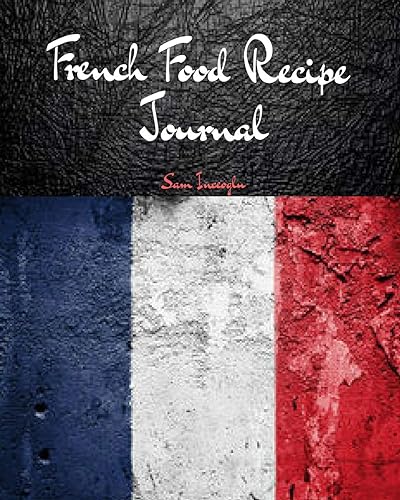 0
0French Food Recipe Journal: Blank Recipe Notebook to Write In
Sam Inceoglu
196.000 ₫
 0
0Facciamo i primi (Vol. 1): Vivere la cucina con semplicità (Italian Edition)
Giò de Beralti
263.000 ₫
 0
0Notizbuch für Köche: 200 Seiten A5 | Liniert & DotGrid | Notiz & Skizzenbuch für deine Geistesblitze | Kochen | Gastronomie- & Küchenbetriebe (German Edition)
Mars Media
274.000 ₫
 0
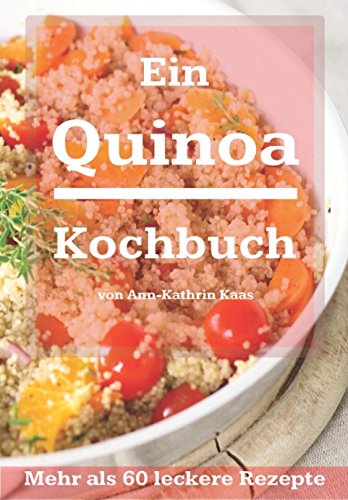
0Ein Quinoa Kochbuch: Mehr als 60 leckere Rezepte (German Edition)
Ann-Kathrin Kaas
Liên hệ
0 0
0The Bar and Beverage Book
Costas Katsigris, Chris Thomas
Liên hệ
0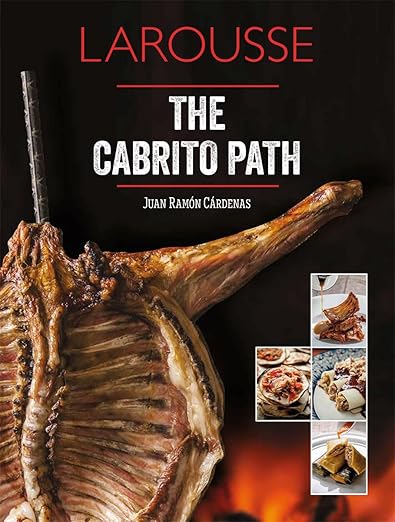 0
0The cabrito path
Juan Ramón Cárdenas
Liên hệ
0 0
0Segmental intestinal permeability in health and critical illness
Oana Alina Tatucu
Liên hệ
0 0
0O'Pesto Mio (The Petite Cookbook) (Italian Edition)
Aniko Szabo
580.000 ₫
 0
0Cooking with Weed: Get baked with 35 recipes for hash inspired by Woodstock festival
Dog 'n' Bone
Liên hệ
0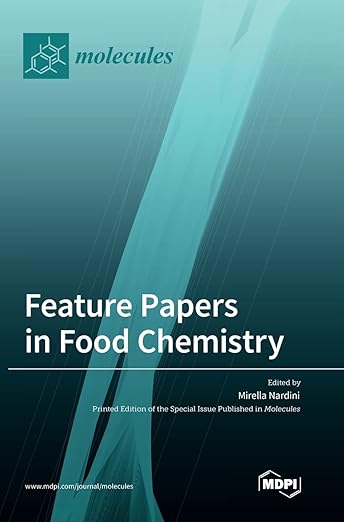 0
0Feature Papers in Food Chemistry
Mirella Nardini
1.816.000 ₫
 0
0A Quiet Valley
Agnes Giberne
Liên hệ
0 0
0My Recipe Book - Blank Notebook To Write 120 Favorite Recipes In / Large 8.5 x 11 inch - Cream Paper: My Best Recipes & Blank Recipe Book - Blank ... / Notebook For Personalized Recipes (First)
MJ STUDIO DESIGN
196.000 ₫