
Lưu ý: Hình bìa chỉ mang tính minh họa — không phải ảnh sách thực tế. Nội dung và bản quyền sách được đảm bảo chính hãng từ nhà xuất bản. Chợ Sách chỉ cam kết sách do người bán cung cấp là sách chính hãng; khiếu nại về bìa khác hình minh họa sẽ được xem xét từng trường hợp.
How the World Became Rich: The Historical Origins of Economic Growth
Tác giả: Mark Koyama, Jared Rubin
NXB: Polity
Chi tiết sản phẩm
- #95,793 in Books
- #29 in Economics
- #157 in Economic History
Về tác giả — Mark Koyama
Follow authors to get new release updates, plus improved recommendations. Jared Rubin is an economic historian interested in the political and religious economies of the Middle East and Western Europe. His research focuses on historical relationships between political and religious institutions and their role in economic development. His book, Rulers, Religion, and Riches: Why the West Got Rich and the Middle East Did Not (Cambridge University Press, 2017) explores the role that Islam and Christianity played in the long-run “reversal of fortunes” between the economies of the Middle East and Western Europe. Rubin graduated with a Ph.D. in economics from Stanford University in 2007 and a B.A. from the University of Virginia in 2002. He is the Co-Director of Chapman University’s IRES and the former Executive Director and Program Chair of ASREC. His work has appeared in numerous top economics journals. Read more about this author Read less about this author Read more about this author Read less about this author Mark Koyama is an economic historian at George Mason University. Born and educated in the UK, He obtained his BA in Modern History and Economics from Trinity College, Oxford and his DPhil (Ph.D.) in Economics from Wadham College, Oxford in 2010. He has taught at the University of Oxford, Brown University, the University of York as well as George Mason and held visiting positions at Stanford University's Hoover Institution. His main research interests lies are in the origins of economic growth and liberalism in Europe and in comparative state development. His research has appeared in numerous leading journals including Economic Journal, International Economic Review, the Journal of Development Economics, the Journal of Law and Economics, Explorations in Economic History and many others. He is on the editorial board of the Journal of Economic History and the Association for the study of Religion, Culture, and Economics (ASREC). Read more about this author Read less about this author Read more about this author Read less about this author
Đánh giá từ chuyên gia
Review"A vivid and crystal-clear summary of the very large body of research compiled in the past two decades on the most important question in economic history. Well informed, solidly anchored in historical facts and economic analysis, this book is a must for economics students."―Joel Mokyr, Northwestern University"In our current moment, when many are worried about the future of growth for the environment and the planet, this thought-provoking book by two leading scholars tells the story of how and why economic growth took off, and how it hugely raised living standards, but also increased inequality and misery on the way. This is a must-read for anybody worried about the future of growth and poverty on our planet."―Daron Acemoglu, MIT"[T]imely, consolidated, and refreshingly succinct.... It is likely to be a seminal text for years to come."―The Economic History Review
Joel Mokyr, Northwestern University"A vivid and crystal-clear summary of the very large body of research compiled in the past two decades on the most important question in economic history. Well informed, solidly anchored in historical facts and economic analysis, this book is a must for economics students."―Joel Mokyr, Northwestern University
Mô tả nội dung sách How the World Became Rich: The Historical Origins of Economic Growth - Mark Koyama
Thông tin sách: How the World Became Rich: The Historical Origins of Economic Growth (Kindle, 240 trang) – Polity, 2022. Ngôn ngữ: Tiếng Anh.
Most humans are significantly richer than their ancestors. Humanity gained nearly all of its wealth in the last two centuries. How did this come to pass? How did the world become rich?
Mark Koyama and Jared Rubin dive into the many theories of why modern economic growth happened when and where it did. They discuss recently advanced theories rooted in geography, politics, culture, demography, and colonialism. Pieces of each of these theories help explain key events on the path to modern riches. Why did the Industrial Revolution begin in 18th-century Britain? Why did some European countries, the US, and Japan catch up in the 19th century? Why did it take until the late 20th and 21st centuries for other countries? Why have some still not caught up?
Koyama and Rubin show that the past can provide a guide for how countries can escape poverty. There are certain prerequisites that all successful economies seem to have. But there is also no panacea. A society’s past and its institutions and culture play a key role in shaping how it may – or may not – develop.Also available as an audiobook.
Giá bán
732.000 ₫
Đánh giá sản phẩm(270)
Khách hàng cũng mua
 0
0 0
0Sách cùng thể loại
Xem tất cả →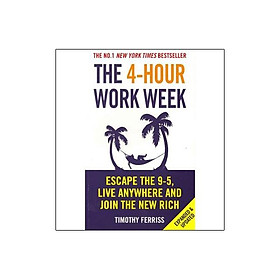 -7%
-7%Sách The 4-Hour Work Week : Escape The 9-5, Live Anywhere And Join The New Rich
Timothy Ferriss
696.000 ₫
749.000 ₫
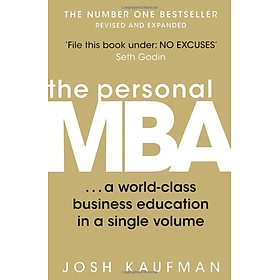 -3%
-3%Sách The Personal MBA: A World-Class Business Education In A Single Volume - Paperback
551.000 ₫
568.000 ₫
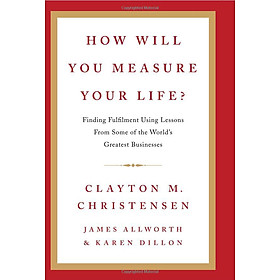 -5%
-5%Sách How Will You Measure Your Life?
540.000 ₫
568.000 ₫
 -5%
-5%Sách The Effective Executive: The Definitive Guide to Getting the Right Things Done (Harperbusiness Essentials)
443.600 ₫
467.000 ₫
 -3%
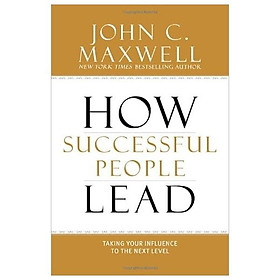
-3%Sách How Successful People Lead: Taking Your Influence To The Next Level (Hardcover)
453.000 ₫
467.000 ₫
 0
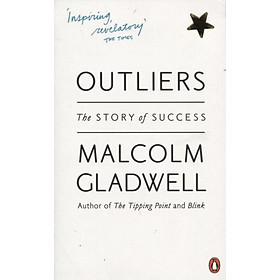
0Sách tiếng Anh - Outliers - The Story Of Success
492.750 ₫
 0
0Sách Dombey And Son
156.000 ₫
 0
0Loose Leaf for Operations and Supply Chain Management
F. Robert Jacobs, Richard B. Chase
2.948.000 ₫
 0
0Electronic Commerce
Gary Schneider
345.000 ₫
 0
0Value and Unequal Exchange in International Trade: The Geography of Global Capitalist Exploitation (Routledge Frontiers of Political Economy)
Andrea Ricci
6.555.000 ₫
 0
0SHRM-CP/SHRM-SCP Certification All-in-One Exam Guide
Dory Willer, William H. Truesdell, William D. Kelly
2.410.000 ₫
 0
0Pass the Mortgage Loan Originator Test: A Study Guide for the NMLS SAFE Exam
Real Estate Institute, Peter Citera
Liên hệ
0